Quick summary:
- Fire damage restoration in Renton WA follows a structured sequence: board-up and stabilization, moisture and soot removal, odor treatment, and reconstruction.
- Acting within the first 24 to 48 hours limits secondary damage from soot, ash, and leftover firefighting water.
- Professional crews use moisture detection, HEPA filtration, and documented inspection steps to prepare a property for safe reoccupancy.
A fire in your Renton home leaves more than charred walls behind. Soot, smoke residue, and water from firefighting efforts can spread damage into areas that look untouched, which is why a structured recovery plan matters as much as the cleanup itself.
Homeowners searching for fire damage restoration in Renton WA are usually dealing with an active emergency, not a hypothetical one. The property typically needs board-up, drying, and a full inspection before any rebuilding can start, and the order of those steps affects how much of the structure and its contents can be saved.
What Happens in the First 24 to 48 Hours
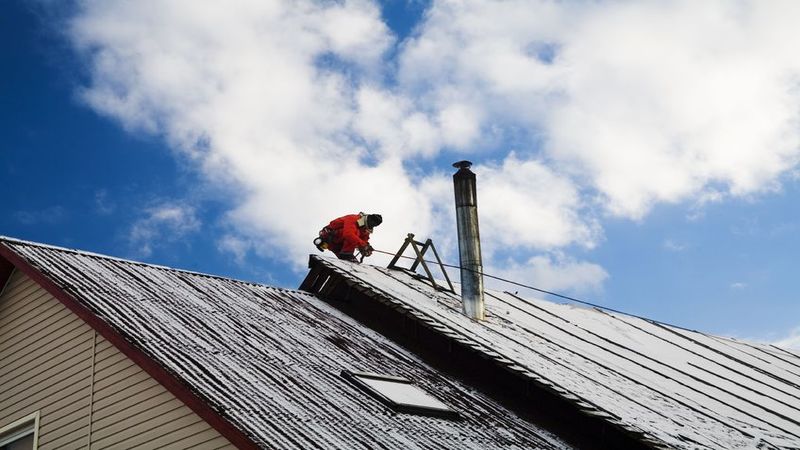
The earliest hours after a fire are about stopping damage from getting worse, not starting repairs. Crews tarp the roof, board up broken windows and doors, and shut off compromised utilities to prevent weather intrusion and further loss.
- Securing the structure against rain, wind, and intrusion
- Removing standing water left by firefighting efforts
- Documenting damage with photos for the insurance claim
- Identifying salvageable contents versus total losses
Insurance adjusters rely heavily on this early documentation, since it becomes the baseline record for the claim. Fast containment during this window also limits how far smoke odor and moisture can travel into unaffected rooms.
Soot Removal, Drying, and Hidden Moisture
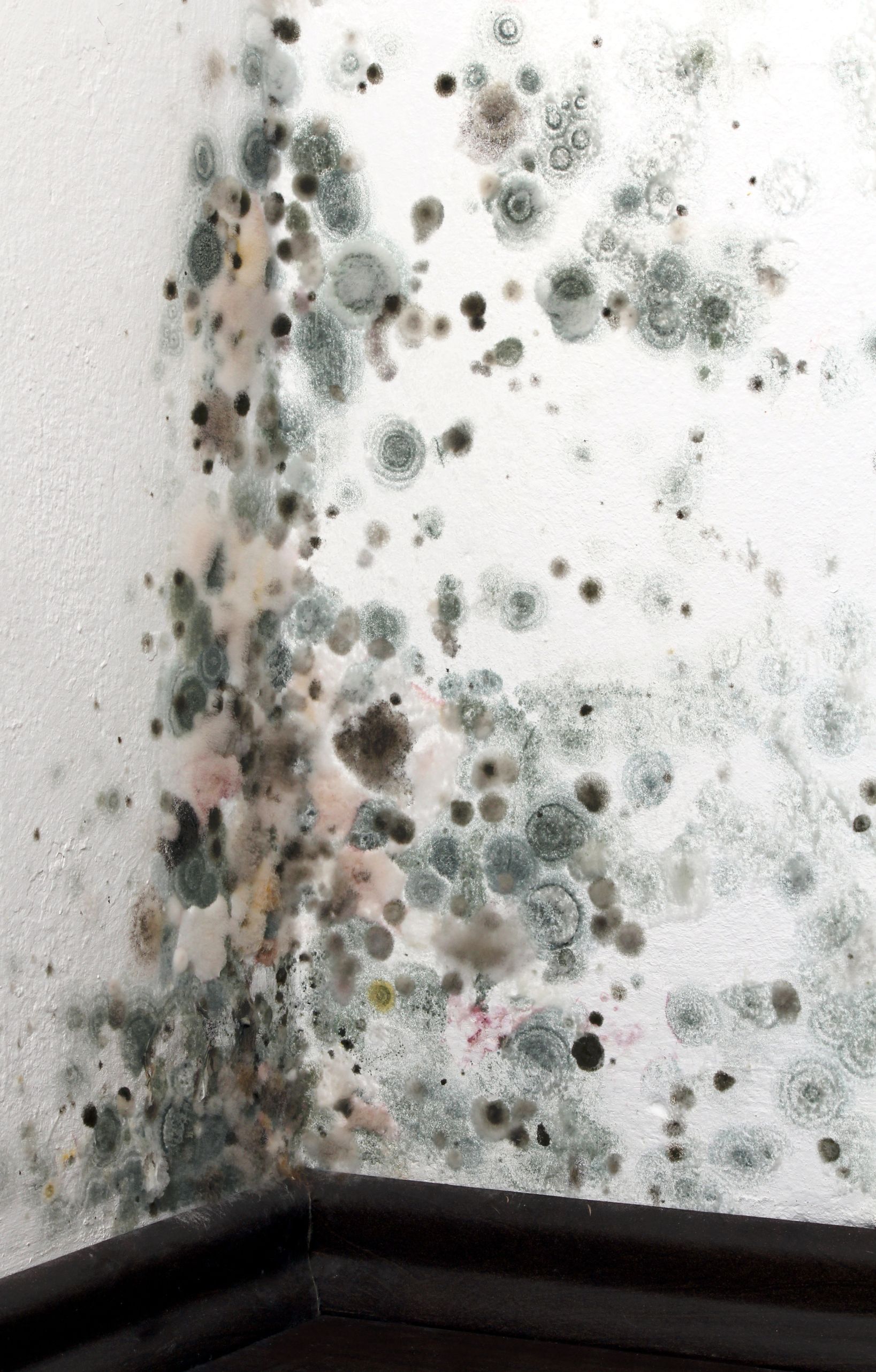
Once the property is secured, the focus shifts to drying and detailed inspection. Hidden moisture pockets behind walls or under flooring can lead to mold growth if they are missed, which is why thermal imaging and moisture meters are standard tools in this phase.
Smoke and soot residue presents its own set of problems beyond visible staining. According to EPA guidance on smoke and soot cleanup after a fire, fine smoke particles can remain in indoor air and settle on surfaces long after the flames are out, which is why professional cleaning and air filtration are necessary before a home is safe to reoccupy. HVAC systems, insulation, and porous materials like drywall and upholstery often need targeted treatment since smoke odor compounds absorb into these surfaces rather than sitting on top of them.
|
Restoration Phase |
Primary Goal |
Typical Methods |
|
Stabilization |
Prevent further damage |
Board-up, tarping, water shutoff |
|
Soot and smoke cleaning |
Remove residue from surfaces |
HEPA vacuuming, detergent cleaning, HVAC decontamination |
|
Odor treatment |
Eliminate embedded smoke smell |
Air scrubbing, deodorization equipment |
|
Reconstruction |
Rebuild damaged areas |
Framing, drywall, finish work, permits |
Rebuilding to Pre-Fire Condition
Reconstruction is the final phase, and it only begins once drying, cleaning, and odor treatment are complete. Unsalvageable drywall, flooring, or framing gets removed and replaced, and the rebuild typically needs to meet current local building codes rather than simply restoring the original layout.
For Renton homeowners, this phase often overlaps with ongoing insurance claim work. Pacific Northwest Restoration LLC works on fire and water damage repair in the Renton area, handling the restoration steps from initial board-up through contents management and reconstruction for properties affected by residential fires.
Frequently Asked Questions
How soon should fire damage cleanup start after the fire department leaves? Cleanup and stabilization should begin as soon as the property is cleared as safe to enter, often within the first day. Delaying board-up or water removal increases the risk of mold, structural weakening, and odor settling deeper into materials.
Can smoke odor be fully removed from a home? Yes, in most cases, though it requires more than surface cleaning or air fresheners. Professional treatment methods target odor molecules that have absorbed into drywall, insulation, and other porous materials rather than just masking the smell.
Is fire damage restoration covered by homeowners insurance? Most standard homeowners policies cover fire damage, though coverage details vary by policy and insurer. Documenting the damage thoroughly before cleanup begins helps support the claims process.
What is the difference between fire damage restoration and general remodeling? Fire restoration addresses contamination, structural safety, and hidden moisture before any cosmetic work happens, while remodeling assumes a structurally sound starting point. Skipping the restoration steps and moving straight to remodeling can leave soot residue or moisture problems unresolved.
Recovering from a house fire involves more decisions than most homeowners expect, from documentation timing to material salvage calls. Property owners in Renton weighing their next step can review service details and local coverage area information through Pacific Northwest Restoration LLC before deciding how to proceed with an inspection and recovery plan.