Short answer:
-
Professional bathroom remodeling in Albuquerque typically includes an in-home consultation, material selection (tile, stone, countertops), demolition, and installation handled by a coordinated team.
-
Natural stone and custom tile work are common focal points for Albuquerque bathroom updates, especially for showers, vanity tops, and flooring.
-
Expect the process to run through design, sourcing, fabrication, and installation phases, with timelines varying based on material availability and project scope.
Homeowners searching for bathroom remodeling usually want to know what actually happens once they hire a contractor, from the first phone call to the final walkthrough. Understanding the typical process helps set realistic expectations for timelines, material choices, and communication along the way.
If you are comparing Bathroom Remodeling Services in Albuquerque NM, it helps to know how local providers structure their projects, since stone and tile work often require fabrication steps that differ from standard contractor remodels. Companies that specialize in natural stone and countertop fabrication, such as (Sandia Marble)[https://maps.google.com/maps?cid=15288719991521779833], often bring in-house cutting and finishing capabilities that can affect both quality and scheduling. Knowing these distinctions early makes it easier to ask informed questions during initial consultations.
How the Remodeling Process Typically Unfolds
Most bathroom remodeling projects follow a predictable sequence, even when the scope or materials differ. Understanding each phase helps homeowners plan around the work and avoid surprises.
- Initial consultation and measurements – A representative visits the space to assess layout, plumbing locations, and structural considerations.
- Material selection – Homeowners choose countertop stone, tile, and fixtures based on budget and design preference.
- Fabrication and ordering – Stone slabs or custom tile pieces are cut and finished, which can take longer than off-the-shelf materials.
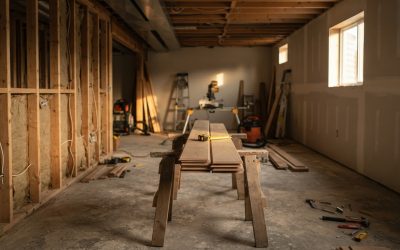
- Demolition and prep work – Old fixtures, tile, or countertops are removed to prepare the space.
- Installation – New materials, fixtures, and finishes are installed in sequence.
- Final walkthrough – The completed space is inspected with the homeowner before project close-out.
Timelines depend heavily on material sourcing. Natural stone, for example, often requires slab selection and fabrication time that standard laminate or prefabricated options do not.
Material Choices That Shape the Outcome
Material selection is one of the biggest factors influencing both the look and durability of a remodeled bathroom. Natural stone countertops and tile remain popular choices for homeowners seeking a long-lasting, custom finish.
-
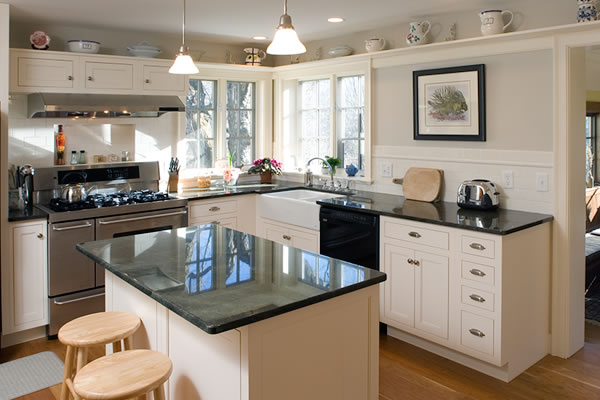
Granite and quartz countertops offer durability and a range of natural color variation for vanity tops.
-
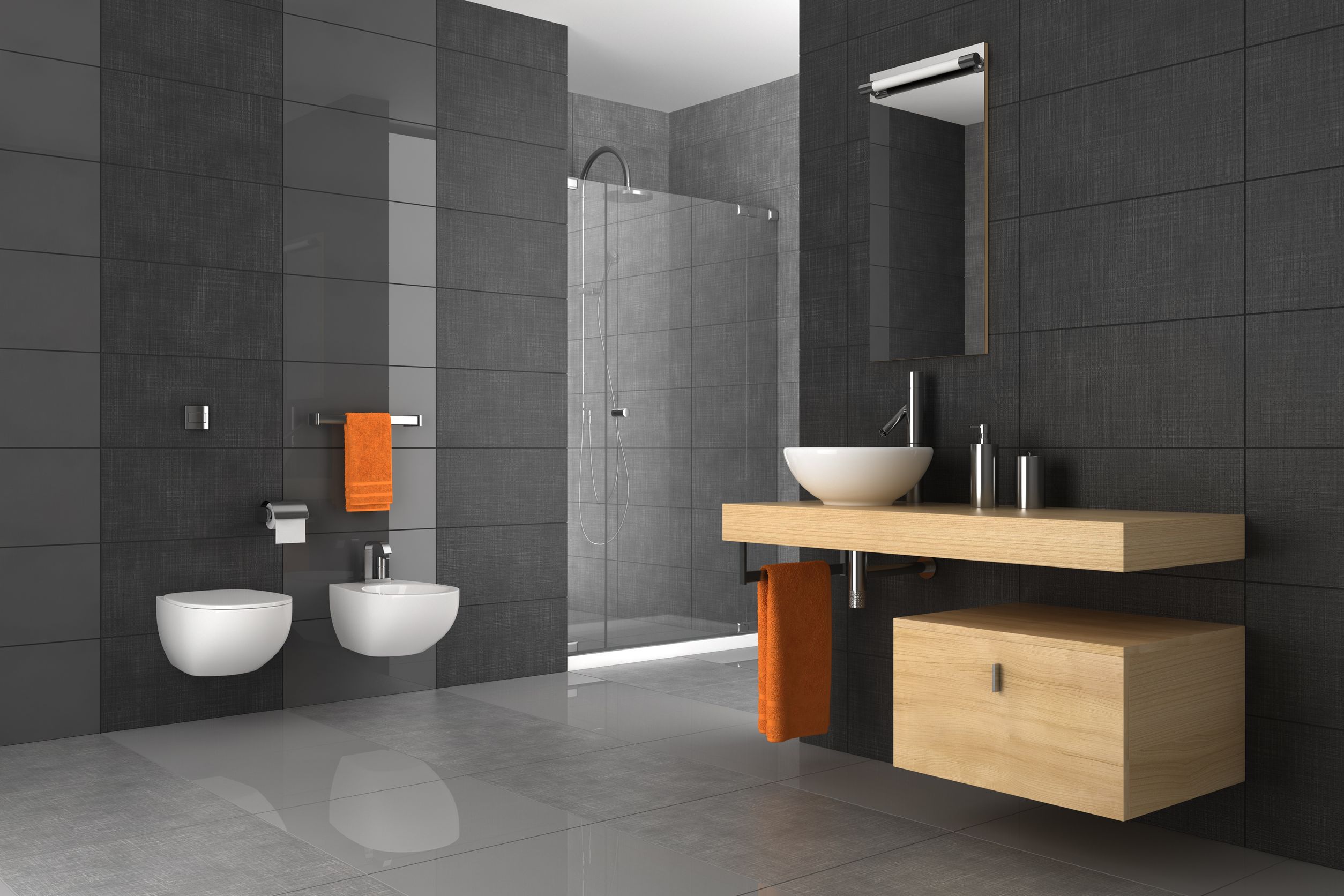
Marble and travertine tile are often used for shower walls or flooring in higher-end remodels.
-
Engineered stone surfaces provide a more uniform appearance with lower maintenance requirements.
According to the U.S. Environmental Protection Agency’s WaterSense program, replacing older fixtures with water-efficient models during a remodel can meaningfully reduce household water use over time. This makes fixture selection, not just surface material, a relevant part of planning a bathroom update.
Comparing Common Bathroom Surface Options
|
Material |
Typical Use |
Maintenance Level |
Relative Cost |
|---|---|---|---|
|
Granite |
Countertops, vanity tops |
Low to moderate |
Mid to high |
|
Marble |
Shower surrounds, flooring |
Moderate (sealing needed) |
High |
|
Quartz (engineered) |
Countertops |
Low |
Mid to high |
|
Ceramic/Porcelain tile |
Flooring, shower walls |
Low |
Low to mid |
This comparison is general and intended to help homeowners frame early conversations with a remodeling provider about durability versus budget tradeoffs.
What Albuquerque Homeowners Should Ask Before Starting
Before signing a contract, it helps to ask specific questions that clarify scope and avoid miscommunication later.
-
Is fabrication done in-house or outsourced to a third party.
-
What is the estimated timeline from material order to installation.
-
Are plumbing or electrical changes included in the quoted scope.
-
How are unexpected issues, such as water damage found during demolition, handled.
Getting clear answers up front reduces the chance of delays or cost surprises once work begins.
Frequently Asked Questions
How long does a typical bathroom remodel take? Timelines vary based on material selection and scope, but stone fabrication and custom tile work generally add time compared to prefabricated options.
Do I need to choose all materials before work starts? Most providers require countertop and tile selections early since fabrication and ordering happen before installation begins.
Can plumbing fixtures be updated during a remodel? Yes, fixture replacement is commonly included, and water-efficient models are worth considering as part of the selection process.
Is natural stone more expensive than tile? Natural stone often costs more than standard tile due to material sourcing and fabrication, though exact pricing depends on the specific stone and project size.
Final Thoughts on Planning Your Remodel
A successful bathroom remodel depends on clear communication, realistic timelines, and material choices that match both budget and long-term maintenance expectations. Homeowners who understand the typical process, from consultation through fabrication to installation, are better equipped to evaluate quotes and avoid delays. For those in the Albuquerque area considering stone or tile-focused updates, Sandia Marble is one local option worth including in that research process.